




Creating a quieter home isn't always about installing more acoustic products. In fact, many homeowners invest time and money into soundproofing, only to find that unwanted noise is still present.
The reason is simple: effective soundproofing is about treating the entire room, not just one surface.
Whether you're setting up a home office, upgrading a media room, or simply looking for more privacy, avoiding these common mistakes can help you achieve better results.
1. Only Treating the Walls

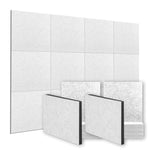
Wall-mounted acoustic panels are often the first upgrade people make—and for good reason. They help reduce echo and create a more comfortable listening environment.
However, walls are only one part of the room.
If your ceiling, doors, or other surfaces remain untreated, sound reflections and unwanted noise can still affect the overall acoustic performance.
A more balanced approach is to view the room as a complete system rather than focusing on a single surface.
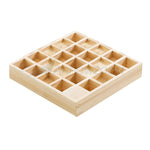
For spaces with higher ceilings or open layouts, combining wall treatments with EchoArt Ceiling Panels can help absorb reflections from above while maintaining a clean, modern appearance.
2. Overlooking Door Gaps

One of the easiest paths for sound to travel is also one of the most overlooked.
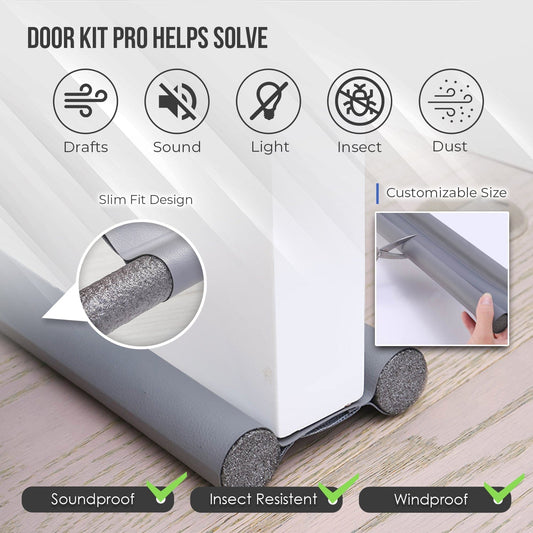
Even a small gap beneath a door allows conversations, television audio, hallway noise, and other sounds to pass from one room to another.
Many homeowners spend hundreds of dollars improving their walls while leaving this small opening untouched.
Fortunately, this is also one of the simplest problems to solve.
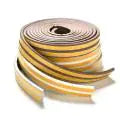
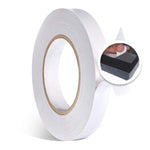
Installing a Door Bottom Sealing Strip or a complete Door Soundproofing Kit helps reduce noise leakage while creating a better seal around the room.
Sometimes, small improvements have a bigger impact than expected.
3. Forgetting About Electrical Outlets

Even a well-insulated wall can contain hidden weak points.
Electrical outlets, switches, and junction boxes interrupt the wall structure, creating small pathways where sound can travel between rooms.
Because these areas are hidden behind drywall, they're often forgotten during a soundproofing project.
Professional soundproofing systems frequently address these openings using Acoustic Putty Pads, which wrap around electrical boxes to help reinforce the wall's sound barrier.
It's a simple upgrade that supports the performance of the entire wall rather than relying on surface treatments alone.
4. Trying to Fix Echo Without Reducing Noise Leaks

Echo and sound leakage are often confused, but they are two different challenges.
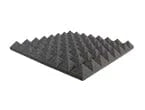
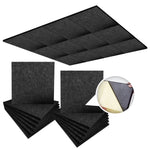
Acoustic foam helps absorb reflections inside a room, making speech, music, and recordings sound clearer.
However, if sound continues entering through doors, outlets, or other openings, the room may still feel noisy despite having excellent acoustics.
The most effective setups combine sound absorption with soundproofing accessories to create a more balanced environment.
When these solutions work together, rooms become both quieter and better sounding.
5. Forgetting the Ceiling
When people think about acoustic treatment, they usually look at the walls first.
But in many modern homes, especially those with open floor plans and high ceilings, a significant amount of sound reflects from above.
These reflections contribute to echo and reduce speech clarity throughout the room.
Adding acoustic ceiling panels helps complete the sound treatment by controlling reflections where wall panels alone cannot.
Besides improving acoustics, ceiling panels also introduce an architectural element that complements contemporary interiors.
The Best Results Come from Treating the Whole Room
Successful soundproofing isn't about finding one perfect product.
It's about identifying every potential weak point—from wall reflections and ceiling echo to door gaps and electrical outlets—and addressing each one with the right solution.
Rather than making large renovations, many homeowners achieve noticeable improvements through a series of smaller, well-planned upgrades.
When combined, these changes create spaces that feel quieter, more comfortable, and more enjoyable for work, entertainment, and everyday living.
Featured Arrowzoom Solutions
If you're planning your next soundproofing upgrade, consider treating the entire room instead of focusing on just one area.
- Acoustic Foam Panels – Improve room acoustics by reducing echo and sound reflections.
- EchoArt Ceiling Panels – Complete your acoustic treatment with overhead sound absorption.
- Soundproof Door Bottom Sealing Strip PRO – Help reduce noise leakage through door gaps.
- Door Soundproofing Kit – Strengthen one of the most common weak points in any room.
- Acoustic Putty Pads for Electrical Boxes – Seal hidden sound paths behind outlets and switches.